Stroke is a leading cause of serious long-term disability. Over 795,000 people in the United States have a stroke each year. One of the most common questions stroke survivors and their loved ones ask is, “can my stroke be cured?” The answer is complex, as “cure” can mean different things. While an ischemic or hemorrhagic stroke damage cannot be reversed, recovery is possible through rehabilitation and preventing future strokes is key.
What Happens During a Stroke?
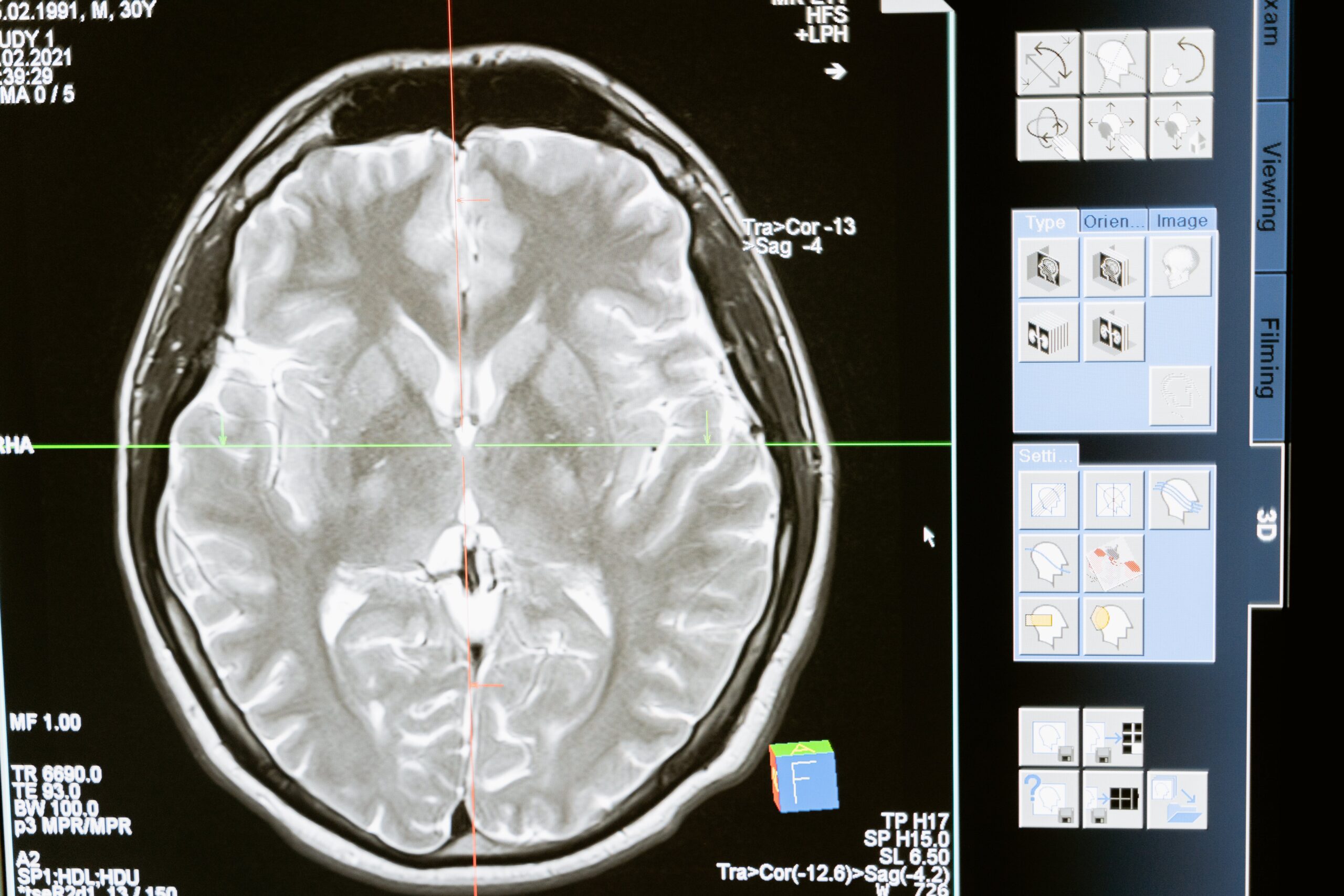
During a stroke, blood flow to part of the brain is interrupted, causing brain cells to die. This can be due to a blocked artery (ischemic stroke) or leaking/burst blood vessel (hemorrhagic stroke). Once brain cells die, the abilities controlled by that area of the brain are impacted. This could include speech, movement, memory, and more depending on the stroke’s severity and location.
Can Dead Brain Tissue Recover?
Unfortunately, dead brain tissue cannot be revived. However, the good news is the brain has remarkable neuroplasticity, or ability to adapt and rewire itself. Depending on the severity of damage, areas surrounding the stroke impact zone can sometimes learn to take over functions lost by the destroyed cells. In addition, the brain forms new neural pathways to regain abilities through rehabilitation.
What Recovery Looks Like after Stroke
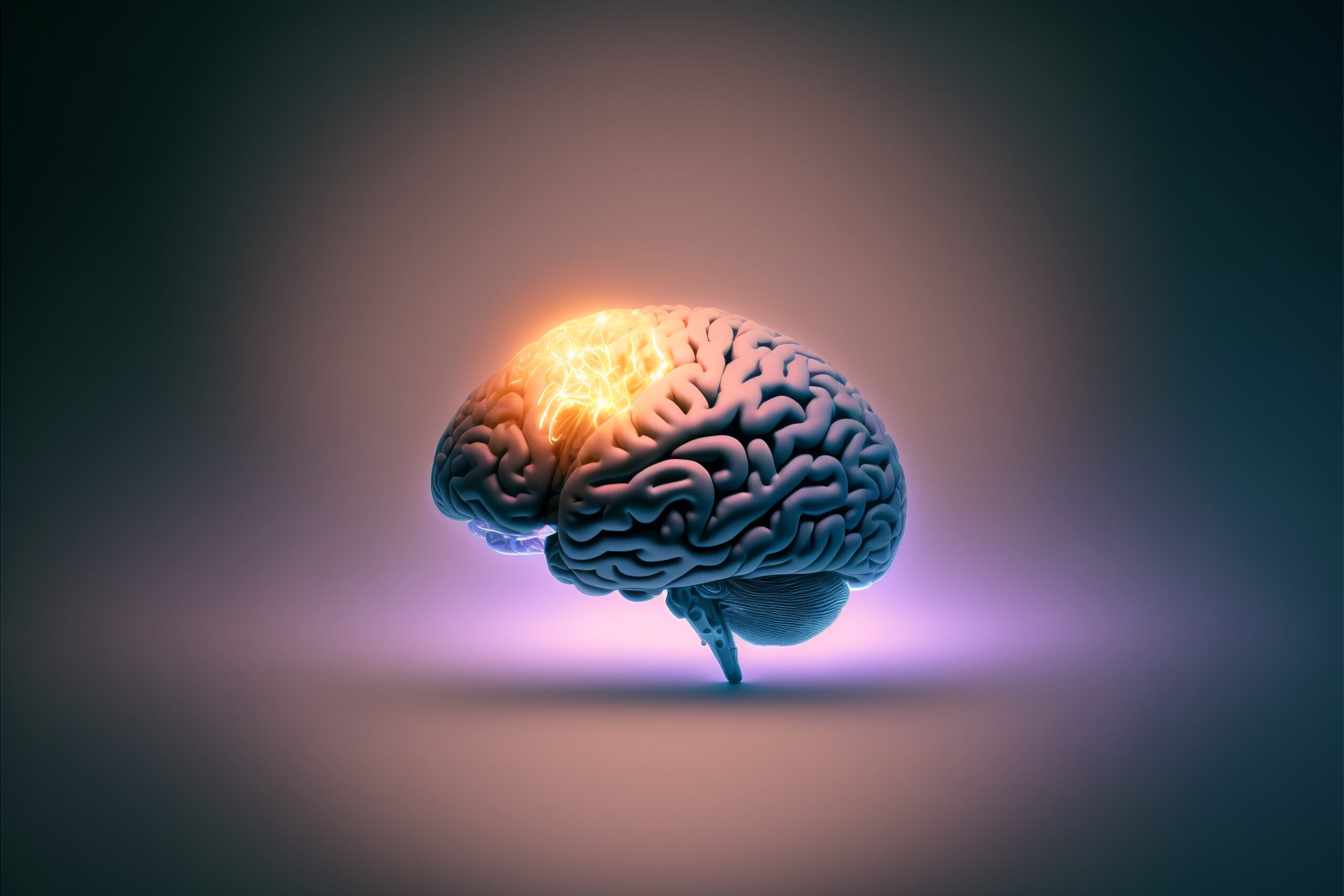
The level of recovery depends on the size and location of the stroke. Minor strokes may cause temporary or barely noticeable symptoms. Severe strokes can lead to profound, lifelong disabilities. However, many have significant restoration of function with time and rehabilitation. Some see small gains, while others have more complete recoveries. Each brain and stroke is unique. Improvement is a gradual process, requiring patience and hard work.

Preventing Future Strokes
Since stroke damage cannot be reversed, prevention of additional strokes is crucial. Controlling risk factors through diet, exercise, stopping smoking, and medication adherence can significantly reduce stroke recurrence. Monitoring for warning signs and seeking prompt treatment if they appear is also essential. Ongoing medical management can limit further brain injury.
The Role of Rehabilitation in stroke
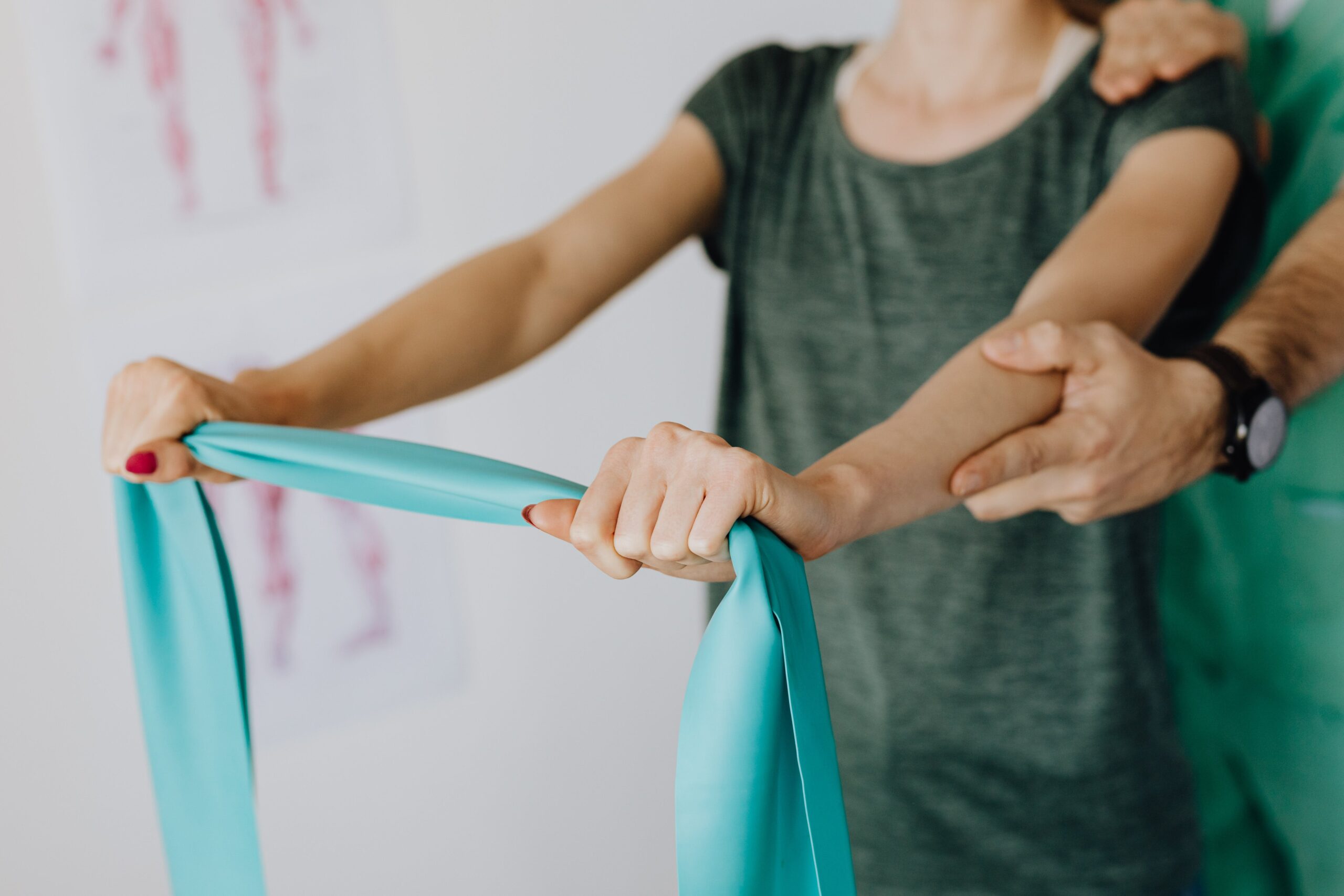
Rehabilitation begins in the hospital but continues through intensive outpatient programs. Physical, occupational, and speech therapy help re-strengthen abilities weakened by stroke. Adaptive equipment and training provides tools for regaining independence. Counseling addresses coping and life adjustment post-stroke. Committing to the rehabilitation process is key to achieving the best possible outcome.
Hope for the Future
Advancements in stroke treatment and rehabilitation offer hope for further recovery possibilities. New medications dissolve clots faster to limit damage from ischemic strokes. Minimally invasive procedures deploy stents to reopen blockages. Neurostimulation techniques show promise for reactivating damaged areas. Robotics and VR technology aid rehab. While not yet cure a stroke, rapid innovation brings optimism.
Life After Stroke
Though full abilities may not be restored, many find life after stroke still full of joy and meaning. Focusing on capabilities rather than limitations is important. Continued peer support, healthy habits, setting achievable goals, and confidence in one’s resilience—with time and courage, life post-stroke can be fulfilling.
In summary, while dead stroke tissue cannot be revived, recovery is often possible through neuroplasticity, rehabilitation, preventative care, and emerging treatments. There is hope for regaining functioning on the road to a new normal after stroke. Though not curable, with comprehensive support, life beyond stroke can still be rich and rewarding.
If you have learned something new, make sure to follow us, switch on the notification options, and share your newfound knowledge with others. Sharing knowledge not only benefits others but also creates a sense of collaboration and camaraderie within a community. It allows individuals to connect with like-minded individuals, exchange ideas, and collectively work towards the advancement of society. So, take advantage of the notification options available to you and make a positive impact by sharing your newfound knowledge with others. Together, we can create a thriving environment of continuous learning and growth.